By the Swarna - A visit to Baje Dam
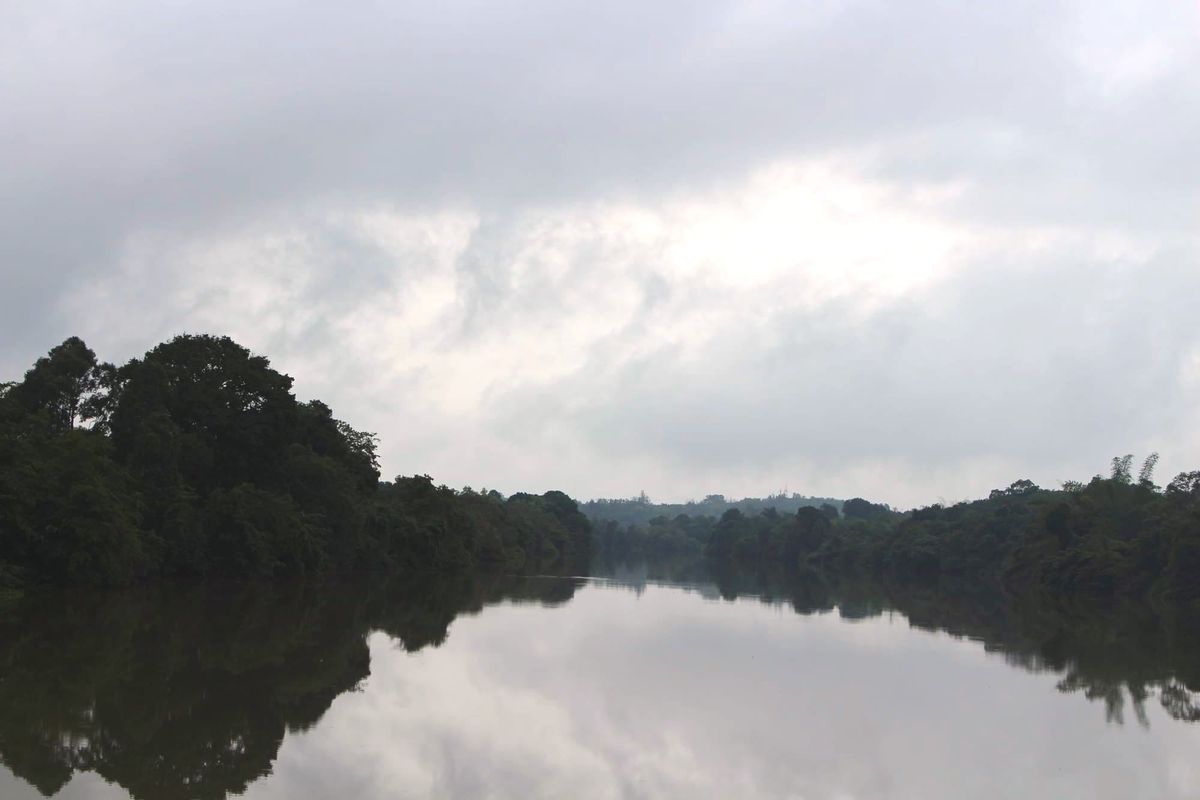
Located in Karnataka, the Swarna river is one of the major west flowing rivers of India. It takes birth in the foothills of Western Ghats and flows through several villages, covering a distance of 55Km before draining into the Arabian Sea. The Swarna river is mainly a rain fed river, experiencing peak flow in monsoon season (July to September). The Swarna river holds great significance for the beautiful coastal town of Udupi, known for its temples, tourist spots and educational institutions, such as those in Manipal.
The Swarna River has three primary dams - first at Yennehole village, second at Hiriyadkan and a third at Shiroor, that aid water supply in the region and provide facilities in the form of drinking water, meeting agricultural requirements as well as beautiful recreational spots and picturesque areas that zestfully welcomes tourism. The dam located at Hiriyadkan is called Baje Dam.
Dams provide a range of economic, environmental and social benefits, such as-
Water Storage (Fire & Farm Ponds)- Dams create reservoirs that supply water for many crucial uses - industrial, municipal, and agricultural (including fishing).
Irrigation- Croplands are irrigated using water stored behind dams. Thousands of jobs are tied to producing crops grown with irrigated water.
Drinking water supply - Dams reservoir water, which can then be treated and processed via water filtration systems to make it potable.
Flood Control- In addition to helping farming, dams help prevent the loss of agricultural, life and property caused by flooding. Flood control dams impound floodwaters and then either release them under control to the river below the dam or store or divert the water for other uses. For centuries, people have built dams to help control devastating floods.
Recreation- Dams facilitate prime recreational facilities like boating, skiing, camping, picnic areas etc. Baje Viewing point is one of the most scenic places in Udupi, lovingly visited by hundreds of students at Manipal.
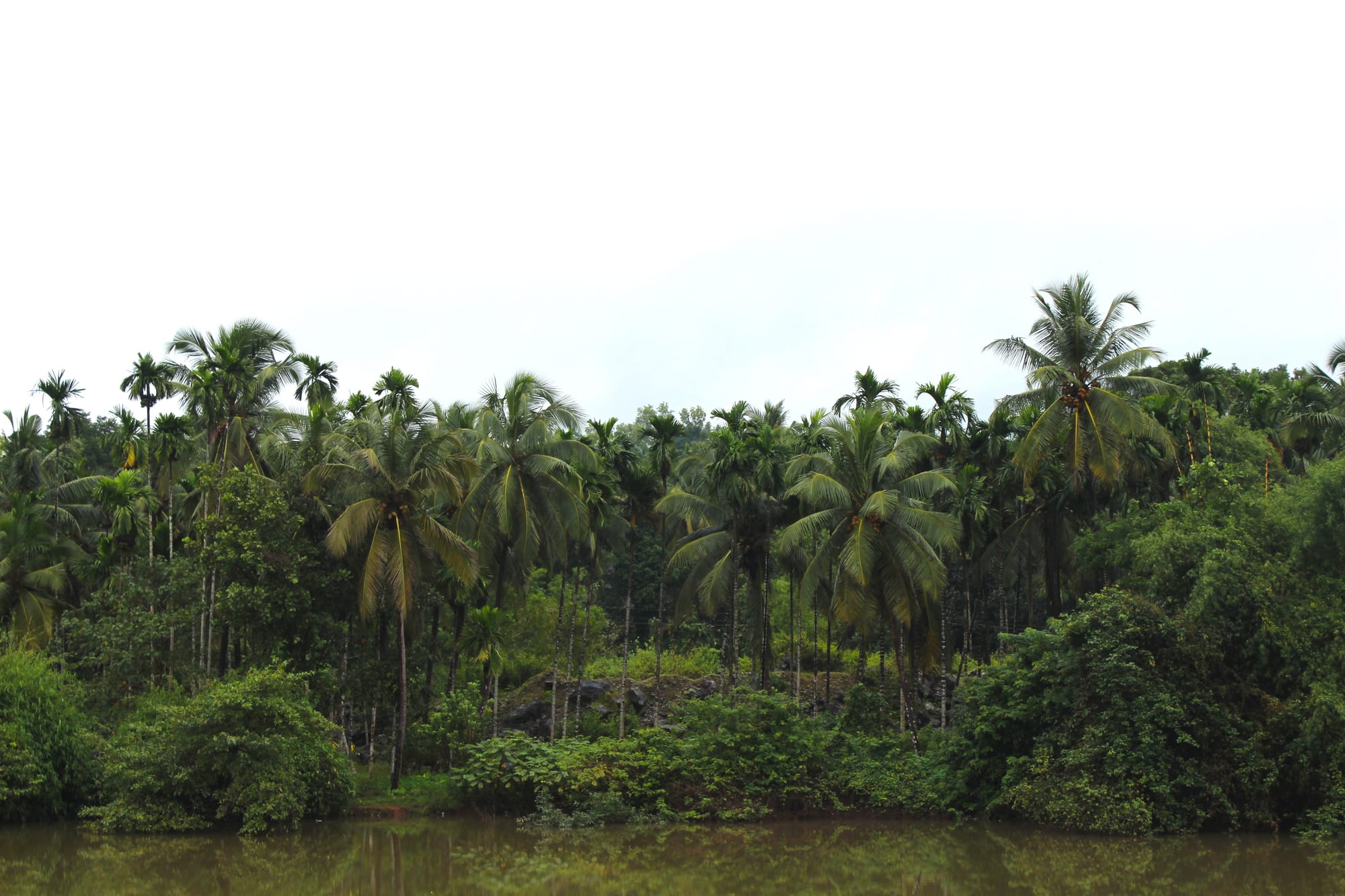
Hydroelectric Power Generation
-India stands 5th globally in hydroelectric power capacity. Dams generate renewable electricity (no fossil fuels required).
Debris Control:In some instances, dams provide enhanced environmental protection, such as the retention of hazardous materials and detrimental sedimentation.
A major challenge in the region - At times, the water level of Swarna River is declines at Baje and this creates water scarcity in the region leading to personnel from Mangalore Electricity Supply Company (MESCOM) to disconnect power to irrigation pump sets of farmers living by the side of the river in order to conserve water. The general public also faces disconnection of water for construction and washing purposes. Due to high temperatures (especially in month of May), water evaporates at a higher rate, further lowering the water level. Additional pumps have to be placed to lift water from waterholes and divert it to the dam. Many areas get supply water only once a week in such conditions.
The dam itself has environmental effects as well. The dam wall blocks fish migrations, which in some cases and with some species completely separate spawning habitats from rearing habitats. Another significant and obvious impact is the transformation upstream of the dam from a free-flowing river ecosystem to an artificial slack-water reservoir habitat. Changes in temperature, chemical composition, dissolved oxygen levels and the physical properties of a reservoir are often not suitable to the aquatic plants and animals that evolved with a given river system. Indeed, reservoirs often host non-native and invasive species (e.g. snails, algae, predatory fish) that further undermine the river's natural communities of plants and animals.
The alteration of a river's flow and sediment transport downstream of a dam often causes the greatest sustained environmental impacts. Life in and around a river evolves and is conditioned on the timing and quantities of river flow. Disrupted and altered water flows can be as severe as completely de-watering river reaches and the life they contain. Yet even subtle changes in the quantity and timing of water flows impact aquatic and riparian life, which can unravel the ecological web of a river system. A dam also holds back sediments that would naturally replenish downstream ecosystems. When a river is deprived of its sediment load, it seeks to recapture it by eroding the downstream river bed and banks (which can undermine bridges and other riverbank structures, as well as riverside woodlands). Riverbeds downstream of dams are typically eroded by several meters within the decade of first closing a dam; the damage can extend for tens or even hundreds of kilometers below a dam.
Dams have led to the extinction of many fish and other aquatic species, the disappearance of birds in floodplains, huge losses of forest, wetland and farmland, erosion of coastal deltas, and many other non mitigable impacts.
Understanding the Dam Water Purification System
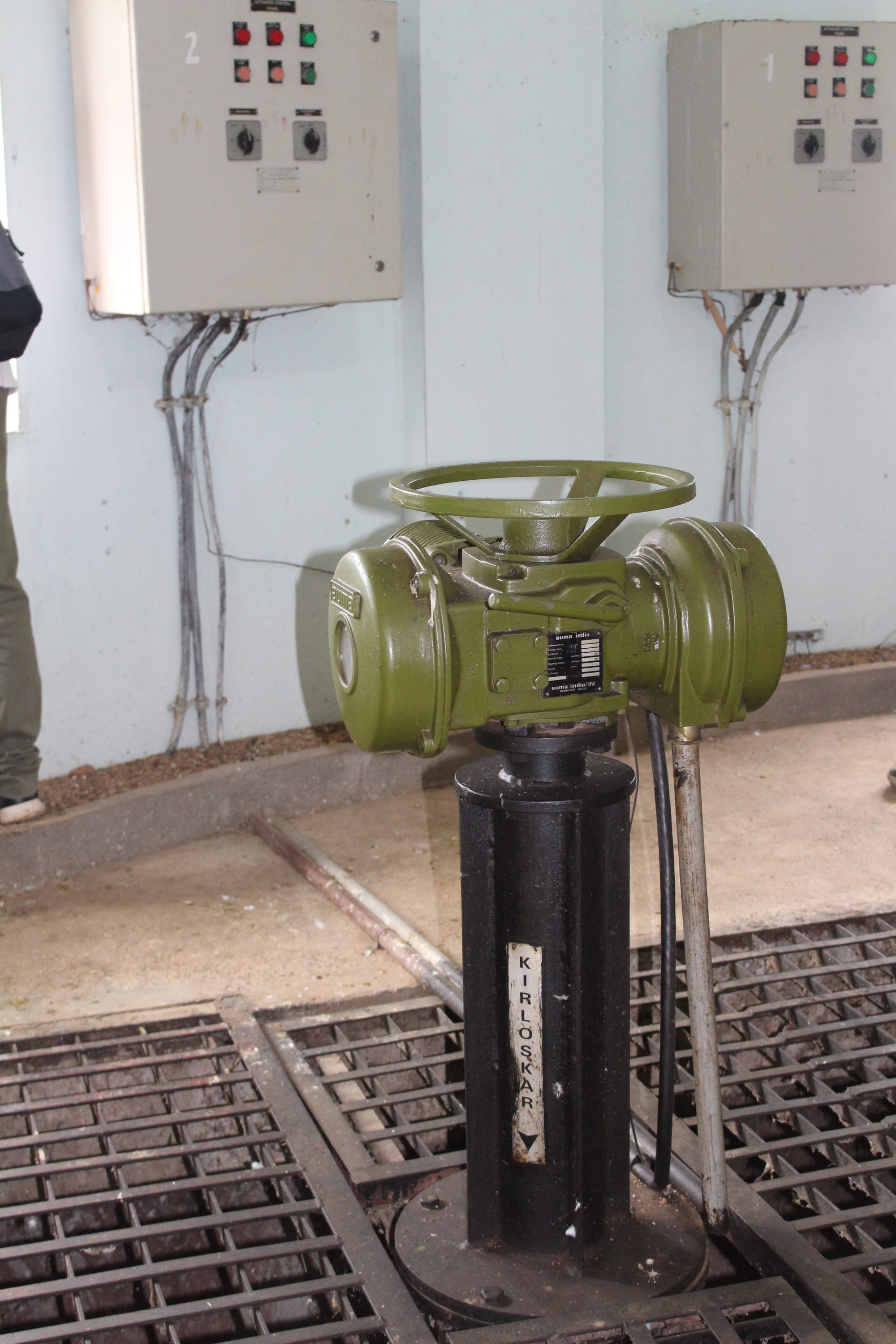
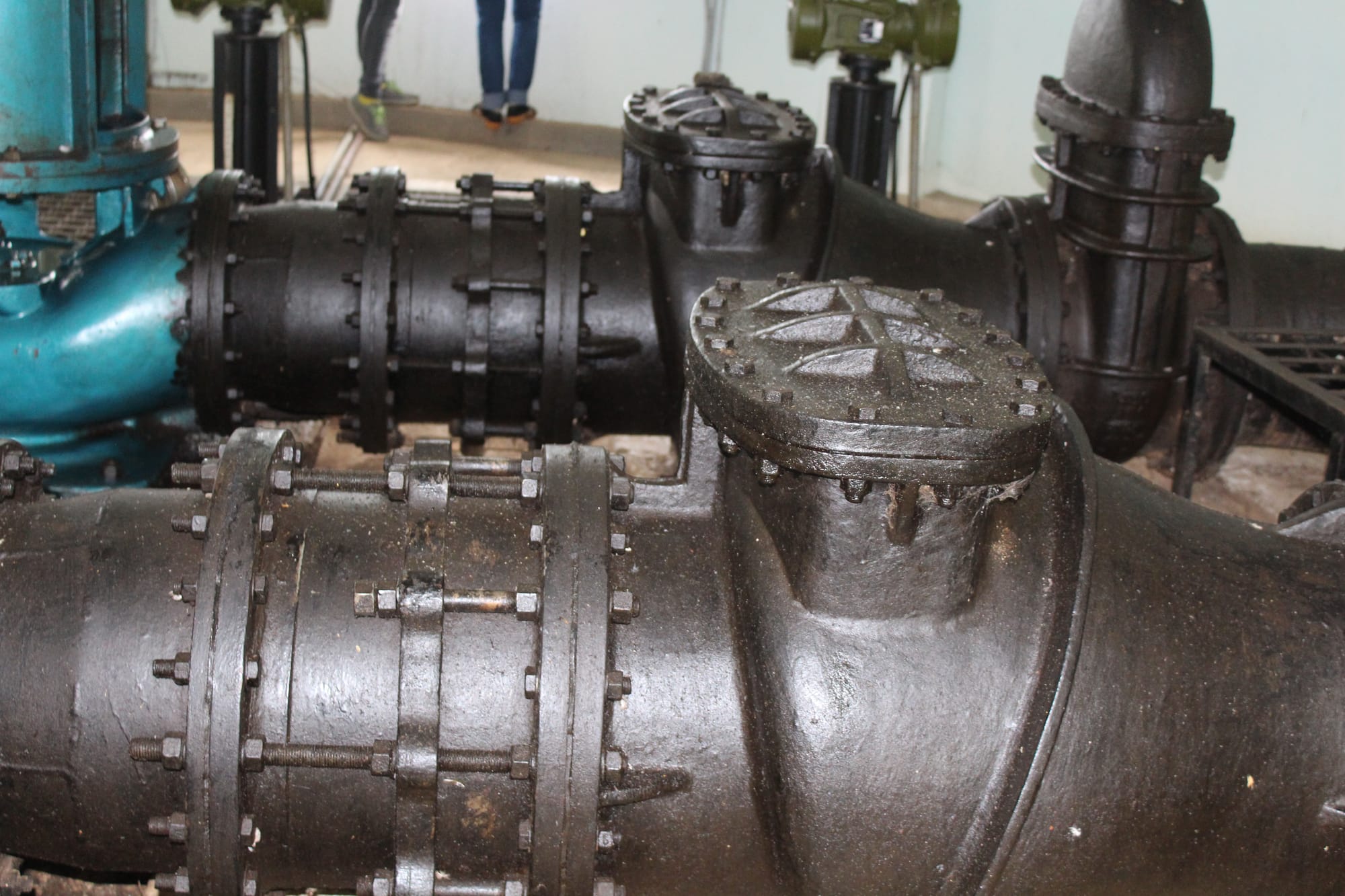
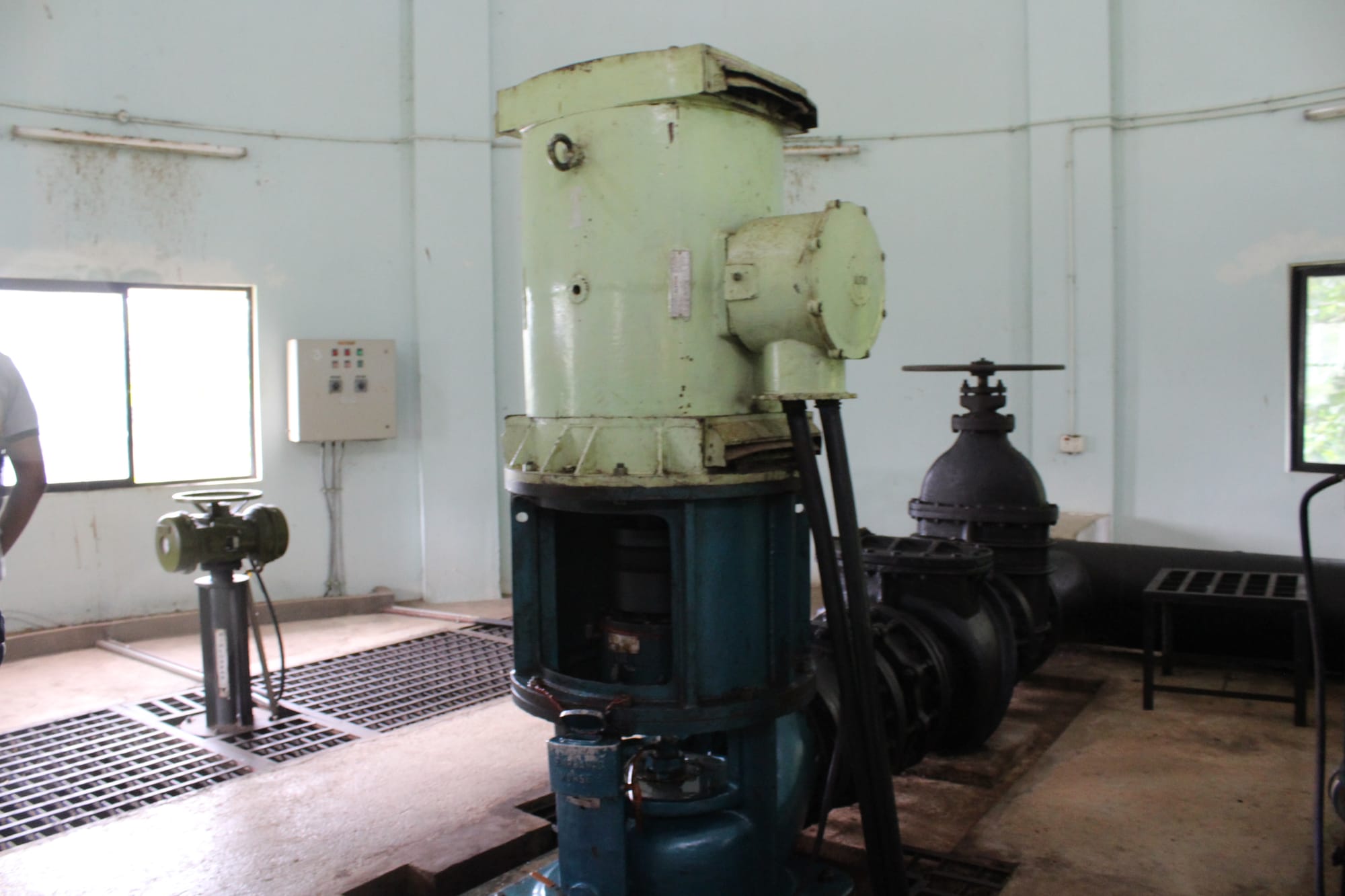
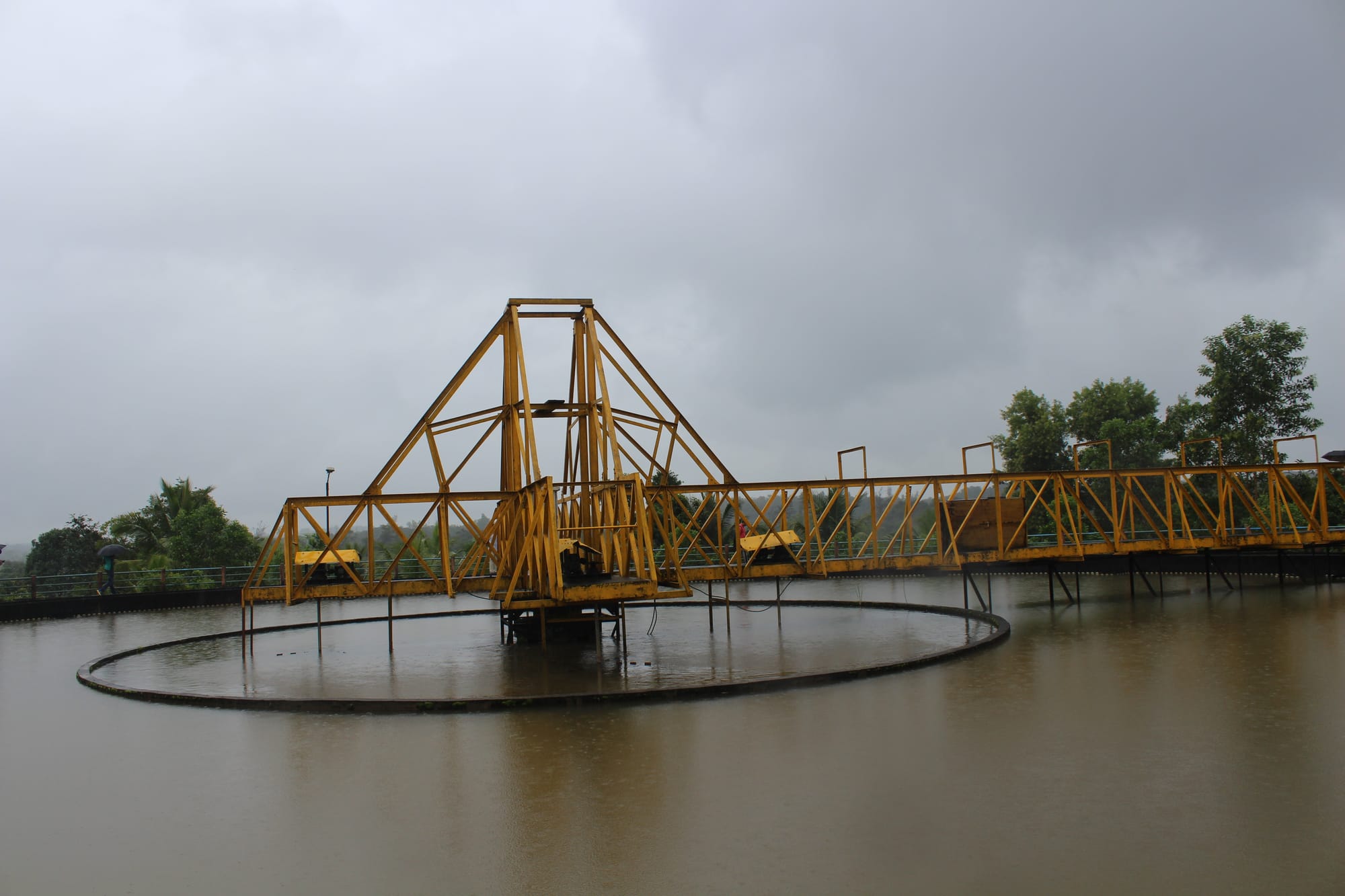
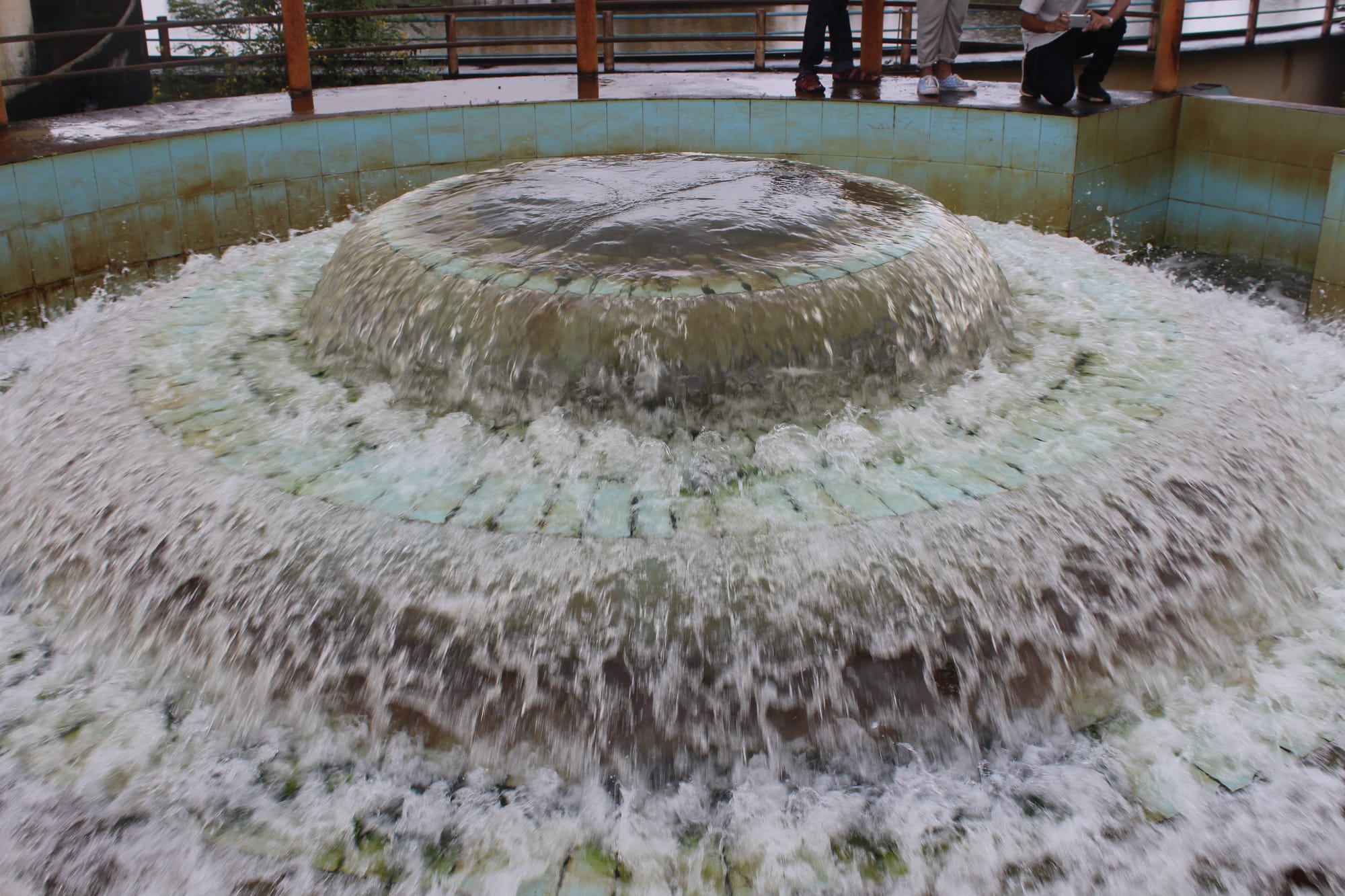
Parts of water filtration plant at Baje Dam
The water stored in upstream dams must be treated before it can be used for drinking purposes. The degree of treatment depends on the quality of the water in the dam. The water treatment is typically conducted in plants constructed for that purpose, prior to the water being released into the water distribution network. Baje dam has its water purification system located near the dam.
Treatment of water withdrawn from a dam for drinking purposes includes the following processes:
- Primary water treatment – this process consists of filtering the water (and the suspended materials contained in it) through coarse and fine screens, followed by a sand and silt trapping process, and thereafter by primary chlorination.
- Aeration – this is an essential process if the raw water contains excessive quantities of oxygen, hydrogen sulphate or carbon dioxide. Conversely, it also is used when the water contains low oxygen concentrations.
- Clarification – this process is used to clarify (increase transparency) of the water if it is excessively turbid, if it has excessive colour, or if it contains excessive quantities of solid, organic and suspended materials. Clarification can take two forms, including (1) complete coagulation, flocculation, settling and filtration, or (2) partial coagulation, fine flocculation and filtration.
- Disinfection – this process is meant to remove mold, bacteria and infectious agents from the water. The disinfection is typically done by introducing chlorine gas, hypo-chloride solution or ozone gas to the water, or by treating it with ultraviolet (UV) light.
- Absorption – this process is done by passing the water through activated carbon. This treatment is essential if the raw surface water is highly polluted, and virtually guarantees the complete removal of microorganisms, as well as water taste or smell problems.
Apart from this,Protection of the dam from all sources of sanitary drainage water, organic and chemical pollutants, and access by animals. Non point-source pollution from human, agricultural and industrial activities in the drainage basin also should be reduced to the maximum extent so that clean water could be provided to people.
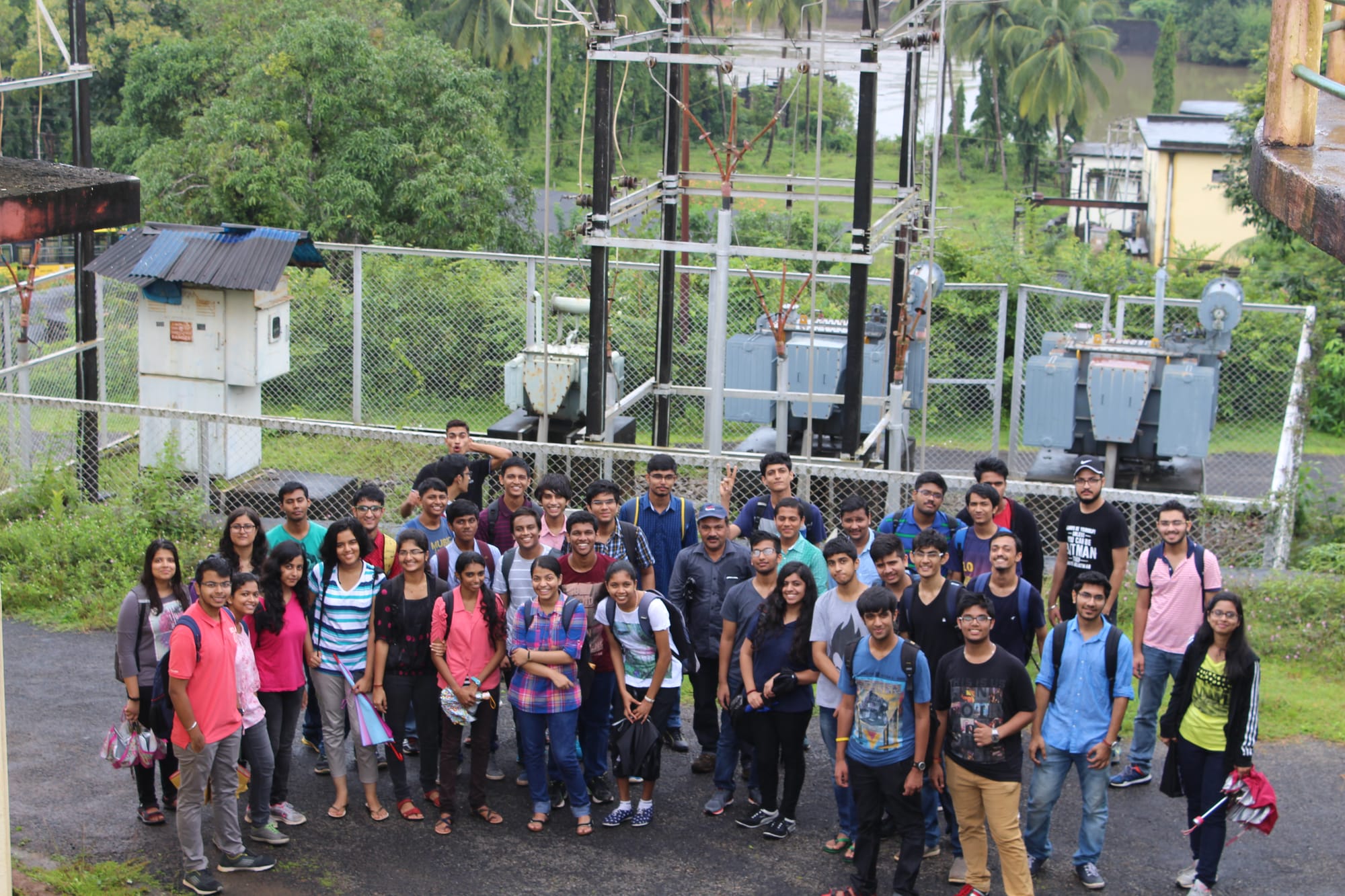
This report was an assignment submission as part of an environmental studies team field visit to study the functions of Baje Dam, it's significance, advantages and disadvantages on the region as well as understanding municipal water filtration system adjacent to the Baje dam. It has been revised to fit this blog publication. No LLM was used to create any part of this article.
Comments ()